
How often should you detail your car?

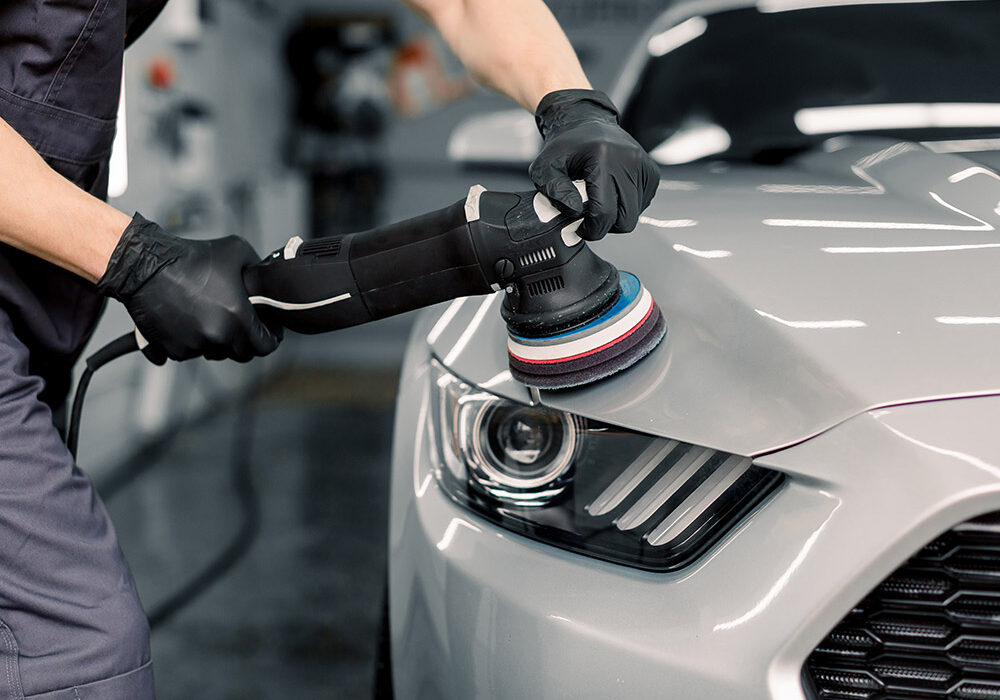
Keeping your vehicle looking pristine and showroom-ready isn’t just about aesthetics—it’s also about protecting your investment. Car detailing goes beyond a simple wash; it involves deep cleaning, polishing, and protecting both the exterior and interior.
But how frequently should you detail your car to maintain its pristine appearance? The best frequency depends on several factors. These include your driving habits, local conditions, and any protective treatments you have used.
Understanding Car Detailing
It’s important first to clarify exactly what detailing involves. Auto detailing includes extensive cleaning, polishing, and protecting the vehicle’s interior and exterior.
The exterior typically covers washing, polishing, and sometimes paint correction to remove minor scratches. The interior involves vacuuming, cleaning carpets/mats, washing/wiping leather, and thoroughly cleaning all interior surfaces. We are not just talking about a simple car wash here.
Factors influencing detailing frequency
Several factors influence how often you should detail your vehicle:
1. Environmental factors:
Climate significantly affects how often your car needs detailing. If you live in places with extreme weather, you should detail your car more often. This includes harsh winters with road salts or hot, sunny climates.
Road salts accelerate corrosion, while UV rays can fade and damage paint over time. Harsh weather conditions include frigid winters and blazing hot summers.
Hot, sunny climates: Consider detailing your car every three months to prevent UV-related paint fading.
Cold places: Road salt and dirt from frost need cleaning every two to three months. This helps stop rust and salt damage.
2. Driving habits and frequency:
The more time your car spends on the road, the more frequently this maintenance should occur. Vehicles driven daily or on long commutes accumulate dirt, pollutants, and contaminants faster.
Daily drivers or long-distance commuters: Aim for detailing every three months.
Weekend-only vehicles or rarely driven: Detailing twice per year may suffice.
3. Parking conditions:
Where you park your car significantly impacts detailing frequency. Vehicles left outside face exposure to environmental factors such as bird droppings, tree sap, pollen, and pollutants.
Outdoor parking: Quarterly is advisable.
Indoor or garage parking: Every four to six months is usually adequate.
4. Type of vehicle use:
How you use your vehicle also plays a role. Off-road driving or heavy-duty use exposes your car to more wear and tear, requiring more frequent detailing.
Off-road and heavy-duty vehicles: Consider monthly to bi-monthly detailing.
Urban and suburban use: Three to six months intervals are typically sufficient.
It’s not just about paint: plastic trims fade too!
Plastic trims are another vulnerable area. Unlike paint, plastic trims don’t oxidise—instead, UV exposure dries out the plastic’s surface oils, causing discolouration and a chalky appearance. Protecting these trims is crucial because faded plastic can make even a well-maintained car look neglected.
Preventative maintenance: Ceramic coatings
One of the most effective ways to reduce detailing frequency is to invest in preventative measures like ceramic coatings. Ceramic coatings provide a robust, protective layer over your vehicle’s paint that repels water, dirt, and contaminants. This helps to greatly lower the buildup of dirt, bird droppings, and tree sap, making it easier to keep things looking clean.
Protecting your exterior paint and your interior with a ceramic coating reduces the need for expensive detailing services. Regular car washes should keep your car in good condition.
With ceramic coatings:
- Exterior detailing frequency can reduce dramatically.
- Cleaning becomes easier, as contaminants do not bond strongly to the surface.
- The vehicle’s paint maintains a glossy, showroom-quality shine longer.
The truth is, there is no universal rule for car care frequency. However, understanding how environmental conditions, vehicle usage, and preventive treatments impact your car helps determine the ideal detailed schedule.
As a general guideline:
- Every 3-4 months if your car faces harsh conditions or frequent usage.
- Every 6 months if your car is primarily garaged or lightly used.
- Invest in ceramic coatings or similar preventive measures to significantly extend intervals between.
Keeping your car looking new requires thoughtful attention and consistent care. Tailor your detailing routine to your vehicle’s unique situation, ensuring it stays beautiful and valuable for years to come.