
Is PPF hard to maintain?

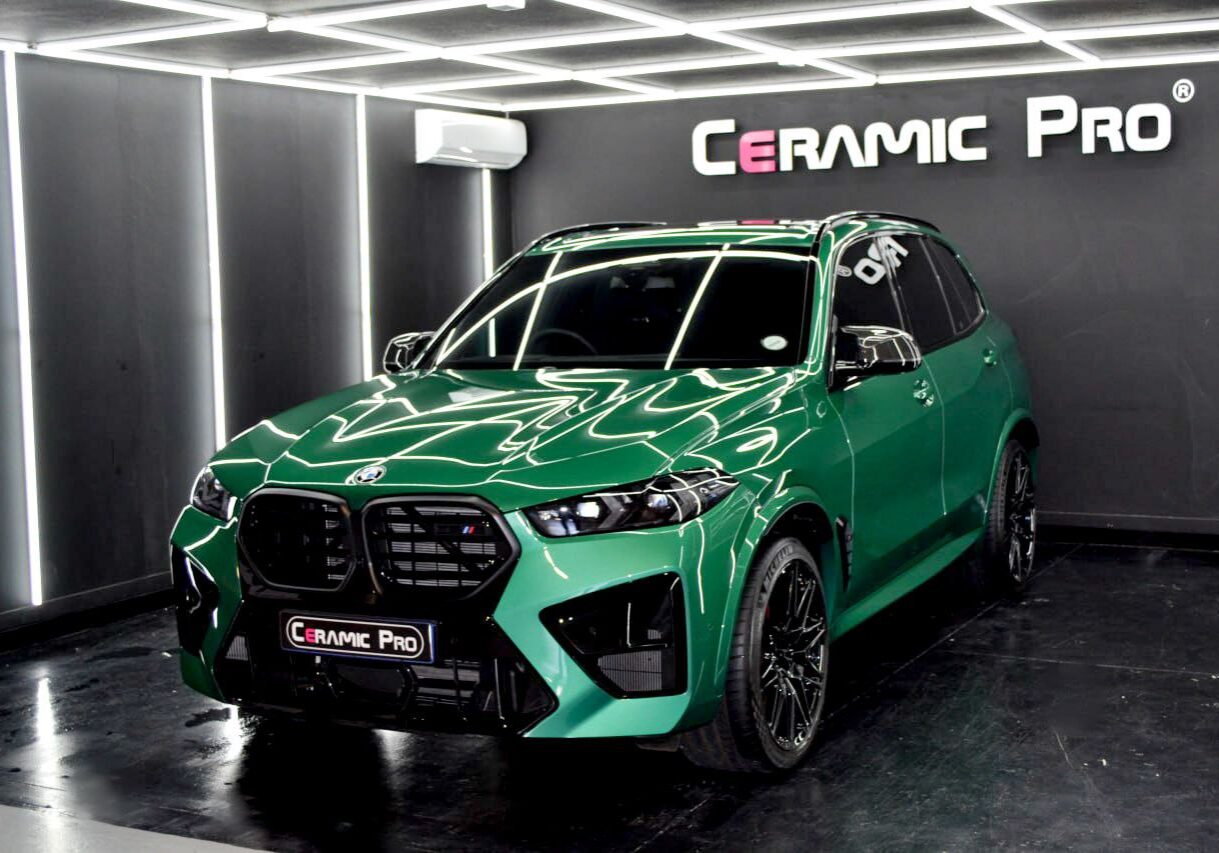
Automotive enthusiasts and car owners strive to keep their vehicles pristine, safeguarding their investment and ensuring a lasting aesthetic appeal. The introduction of advanced technology has introduced various methods for protecting a car’s paint job, and one such innovation is called Paint Protective Film (PPF).
PPF has gained popularity for its ability to shield a vehicle’s exterior from road debris, minor scratches, and environmental factors. It is a relatively fool-proof way to ease the burden of vehicle maintenance. However, no form of paint protection comes maintenance-free. The question arises: Is paint protective film hard to maintain?
In this article, we will dive into the world of PPF, explore its benefits, understand the maintenance it requires, and compare its upkeep to that of regular automotive paint.

What is paint protection film?
To understand the benefits and maintenance of paint protective film, it’s essential first to understand what it is. PPF is a transparent thermoplastic urethane film. In the automotive space, this film is applied over the car’s paint to help protect it from potential damage.
While it won’t save you from damage caused in a collision or hitting larger objects on the road, PPF will absorb the impact of small debris, such as stones, sand, and gravel, that the tyres of other vehicles can kick up.
Left uncovered, this debris can slowly chip away and scratch the vehicle’s paint finish, leaving you with dulled paint and, in some areas, even chips of paint missing altogether. This is typically common in areas lower on the front end of the car, like the front bumper, rocker panel, and even the fenders.
What are the benefits of paint protection film?
The main benefit of paint protective film is to prevent damage to automotive paint from daily wear and tear, and that has many advantages:
Preservation of resale value
Automotive paint is one of a vehicle’s most critical aesthetic resale points. Keeping this paint in good condition allows the car to look well-maintained and cared for, a characteristic many second-hand buyers care about without worrying about repainting.
Maintaining paint protection film
Like any other aspect of car care, paint protective film requires attention and regular upkeep to ensure adequate protection while maintaining its discreet appearance. However, this maintenance is more forgiving to busy schedules and lack of car than your bare automotive paint.

Here’s what proper PPF maintenance looks like:
Washing: Regular car washing is crucial to prevent dirt, dust, and contaminants from accumulating on the PPF. Use a mild automotive detergent and a microfibre wash mitt to clean the film gently. Avoid abrasive brushes or sponges that could scratch the surface. Avoid high pressure hoses.
Drying: Using a clean microfibre cloth to dry the PPF after washing. Avoid using air blowers or towels with rough textures that could damage the film.
Avoid harsh chemicals: When cleaning the PPF, avoid using harsh chemicals or solvents that could degrade the film’s adhesive properties or cause discolouration.
Regular inspection: Periodically inspect the PPF for any signs of damage, lifting, or peeling at the edges. If you notice any issues, address them promptly to prevent moisture or dirt from infiltrating beneath the film. This also helps maintain your warranty correctly.
While that may sound like a daunting list of tasks and things to remember, how does it compare to a regular maintenance schedule for uncovered automotive paint?
The verdict on PPF maintenance
Is paint protective film hard to maintain? While PPF requires some level of attention, it offers significant benefits in damage prevention, chemical resistance, and easier cleaning.
The maintenance of PPF is generally less labour-intensive than the extensive polishing and paint correction required to keep traditional paint looking its best. Even new cars require extensive maintenance to be free of imperfections. However, it’s essential to address any issues promptly, such as edge lifting, to ensure the longevity of the film’s protective properties.
Ultimately, the choice between PPF and traditional paint maintenance depends on individual preferences, driving habits, and the desired level of protection for the vehicle.
Regardless of the chosen method, investing time and effort into proper maintenance will undoubtedly extend your vehicle’s life, appearance, and even value.