
Why is my car’s paint fading so quickly

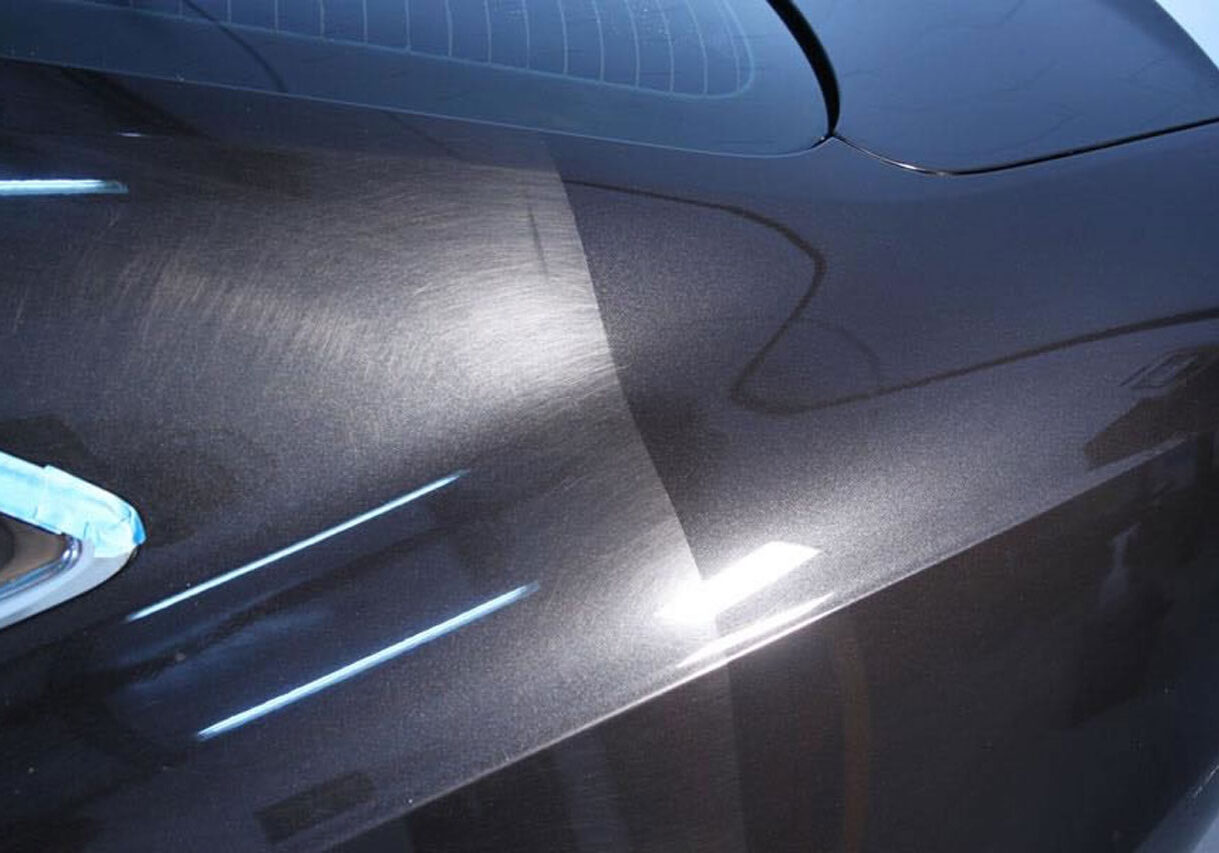
Have you ever glanced at your car and wondered, “Why is my car’s paint fading so quickly?” It’s a common frustration among car enthusiasts and everyday drivers. Paint fading isn’t just an eyesore—it significantly impacts your vehicle’s appearance and resale value. But what’s really behind this phenomenon, and how can you effectively address it? Let’s dive into the environmental culprits, understand science, and explore the best professional solutions.
Understanding science behind car paint fading
Car paint doesn’t simply fade overnight. The process is gradual, driven primarily by environmental elements. Modern automotive paints typically consist of three layers: primer, basecoat (the colour layer), and clear coat (the protective top layer). Fading usually occurs in the clear coat first, due to oxidation, UV degradation, and chemical reactions.
Oxidation is essentially your car paint’s chemical reaction with oxygen. This reaction breaks down the molecular bonds in your clear coat, causing it to lose its gloss and eventually become dull and chalky. UV rays exacerbate this by accelerating molecular breakdown, causing fading and colour distortion.
Major environmental factors causing car paint to fade
1. UV rays from sunlight
Sunlight is your car’s silent enemy. Prolonged UV exposure initiates photodegradation, where UV rays break down chemical bonds in the paint’s polymers. This weakening leads to loss of gloss and colour vibrancy, especially visible in darker-coloured cars, such as red, black, or navy.
2. Temperature
Extreme heat accelerates oxidation, speeding up the fading process. Likewise, very cold temperatures can cause paint to become brittle, resulting in microscopic cracks that allow moisture and pollutants to penetrate, further accelerating deterioration.
3. Moisture and acid rain
Rainwater isn’t always harmless. Acid rain, which carries pollutants like sulfur dioxide and nitrogen oxides, can significantly deteriorate your car’s clear coat. Moisture infiltration, especially through micro-cracks in the paint surface, also facilitates oxidation and can cause rust, which permanently damages paint.
4. Pollution and contaminants
Airborne pollutants, such as industrial fallout, road grime, bird droppings, and tree sap, can chemically interact with your paint, speeding up fading and corrosion. Bird droppings and tree sap are acidic and can etch into the clear coat if left untreated.
It’s not just about paint: plastic trims fade too!
Plastic trims are another vulnerable area. Unlike paint, plastic trims don’t oxidise—instead, UV exposure dries out the plastic’s surface oils, causing discolouration and a chalky appearance. Protecting these trims is crucial because faded plastic can make even a well-maintained car look neglected.
Why professional protection matters
The best defence against car paint fading is proactive protection.
Regular washing and waxing help, but for the ultimate safeguard, consider professional solutions:
1. Ceramic coatings
Ceramic coatings offer a strong protective barrier against UV rays, oxidation, and chemical contaminants. These coatings chemically bond with your car’s clear coat, providing long-lasting protection that traditional wax can’t match.
2. Paint protection films (PPF)
Paint Protection Film, or PPF, offers physical protection from environmental hazards and minor abrasions. It’s an almost invisible layer that preserves your car’s original finish while preventing fading and other surface damages.
Understanding why your car’s paint fades so quickly involves recognising the hidden environmental threats. By embracing professional protection solutions, you can significantly reduce or even prevent paint fading altogether. Investing in regular maintenance and timely professional treatments ensures your vehicle stays visually appealing and maintains its resale value for years to come. So next time you wonder why your car’s paint is fading, remember the environmental factors at work—and act before the damage sets in.